
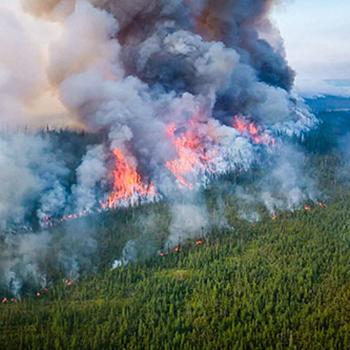
Canada’s wildfire season continues to test the resilience of communities across the country, with thousands of firefighters, emergency responders, and volunteers working tirelessly to contain blazes and protect lives. While some regions have seen improving conditions, others remain under evacuation orders as dry weather and strong winds fuel new fire activity.
As climate patterns contribute to longer and more intense wildfire seasons, governments, businesses, and residents are adapting to a new reality where large-scale wildfires have become an increasingly common challenge.
Another Demanding Wildfire Season


Wildfires are a natural part of Canada’s forest ecosystems, but recent years have seen larger, faster-moving fires affecting communities from British Columbia to Newfoundland.
During the current season, emergency crews have responded to hundreds of active fires, with several classified as out of control due to challenging weather conditions.
Many provinces have activated emergency response plans, while additional firefighting resources have been shared across jurisdictions to help contain the largest blazes.
Communities Facing Evacuations
One of the most immediate impacts of wildfires is the need for evacuation.
Residents in several communities have been asked to leave their homes as fires approached populated areas or threatened critical infrastructure.
Emergency evacuation centres have been established to provide:
- Temporary shelter
- Food and drinking water
- Medical assistance
- Mental health support
- Family reunification services
For many families, uncertainty remains as they wait for officials to determine when it is safe to return home.
Wildfire Smoke Reaches Millions
Even Canadians living hundreds of kilometres away from active fires have experienced the effects of wildfire smoke.
Smoke can travel long distances, reducing air quality across multiple provinces and even reaching parts of the United States.
Health experts advise people to:
- Stay indoors when air quality is poor
- Keep windows closed when possible
- Use air purifiers or high-quality furnace filters
- Limit strenuous outdoor activities
- Wear a properly fitted respirator (such as an N95) if prolonged outdoor exposure is unavoidable
Children, older adults, pregnant individuals, and people with heart or lung conditions are particularly vulnerable to smoke-related health problems.
Economic Impact Extends Beyond Fire Zones
Wildfires affect far more than forests.
Major economic consequences include:
Transportation Disruptions
Road closures and railway interruptions can delay shipments of goods and restrict travel.
Tourism Challenges
National parks, campgrounds, hiking trails, and outdoor attractions may close temporarily during periods of high fire danger.
Forestry Industry
Canada’s forestry sector can experience significant losses from damaged timber, delayed harvesting operations, and reduced production.
Insurance Costs
Large wildfire seasons continue to place pressure on Canada’s insurance industry, contributing to rising claims and increased rebuilding costs.
Firefighters Working Around the Clock


Thousands of firefighters from across Canada—and in some cases from international partner countries—have been deployed to assist with wildfire suppression efforts.
Modern wildfire response includes:
- Ground firefighting crews
- Helicopters
- Water bombers
- Heavy equipment
- Satellite monitoring
- Drone surveillance
- Weather forecasting technology
These resources help emergency managers identify changing fire behaviour and prioritize protection for communities and critical infrastructure.
Why Wildfire Seasons Are Becoming More Severe
Scientists point to several factors contributing to increasingly challenging wildfire seasons.
These include:
- Higher average temperatures
- Longer periods of drought
- Earlier snowmelt
- Stronger wind events
- Increased accumulation of dry vegetation
While individual wildfires can have many causes—including lightning and human activity—changing climate conditions have increased the likelihood of extreme fire behaviour in many regions.
How Canadians Can Reduce Wildfire Risk
Preparedness plays an important role in reducing wildfire impacts.
Homeowners can help protect their properties by:
- Removing dry leaves and dead vegetation
- Keeping gutters clean
- Maintaining defensible space around buildings
- Storing firewood away from homes
- Following local fire bans
- Preparing emergency evacuation kits
Residents should also stay informed through local emergency alerts and provincial wildfire agencies.
Communities Showing Remarkable Resilience
Despite the challenges, Canadians continue to demonstrate resilience.
Local governments, Indigenous communities, volunteers, charities, and emergency responders have worked together to support displaced residents and coordinate relief efforts.
Neighbouring communities have opened shelters, businesses have donated supplies, and volunteers have provided transportation, meals, and accommodations for evacuees.
These efforts highlight the strong community spirit that often emerges during times of crisis.
Looking Ahead
Wildfire experts expect Canada to continue investing in prevention, preparedness, and response strategies.
Future priorities include:
- Improved forest management
- Expanded wildfire detection systems
- More resilient infrastructure
- Increased firefighter recruitment and training
- Better community emergency planning
- Continued research into wildfire behaviour and climate adaptation
Governments are also exploring new technologies that can detect fires earlier and improve coordination during large-scale emergencies.
Final Thoughts
Wildfires remain one of Canada’s most significant natural hazards, affecting communities, ecosystems, businesses, and public health. While firefighters continue working to contain active blazes, the growing frequency and intensity of wildfire seasons underscore the importance of long-term planning and resilience.
For Canadians living in fire-prone areas, staying informed, preparing emergency plans, and following guidance from local authorities can make a meaningful difference. As communities recover and rebuild, cooperation between governments, emergency responders, Indigenous leaders, and residents will remain essential in facing future wildfire seasons together.