
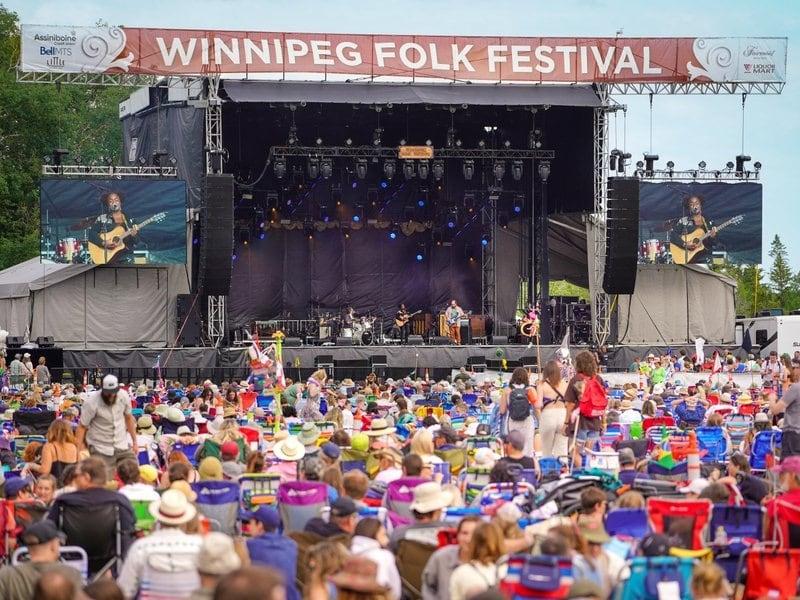
Canada’s rich cultural diversity continues to shine in 2026 as communities from coast to coast celebrate local festivals, heritage events, and cultural traditions that bring people together. From winter carnivals and Lunar New Year celebrations to Indigenous cultural gatherings and multicultural festivals, these events showcase the traditions, creativity, and community spirit that make Canada one of the world’s most diverse nations.
Whether held in large cities or small towns, community festivals provide opportunities for residents and visitors to connect, support local businesses, and experience the many cultures that contribute to Canada’s national identity.
Celebrating Canada’s Cultural Diversity


Canada is home to people from hundreds of cultural backgrounds, and community festivals continue to reflect that diversity.
Throughout the year, Canadians celebrate:
- Indigenous traditions
- French Canadian heritage
- Asian cultural festivals
- European heritage celebrations
- Caribbean and African cultural events
- South Asian community festivals
- Multicultural food and music festivals
These celebrations strengthen cultural understanding while encouraging communities to learn from one another.
Winter Festivals Bring Communities Together
February is one of Canada’s busiest months for winter celebrations.
Popular seasonal festivals include:
- Winter carnivals
- Ice sculpture exhibitions
- Outdoor skating events
- Snowshoe races
- Winter markets
- Family-friendly outdoor activities
Cities such as Ottawa, Québec City, Winnipeg, and Edmonton continue attracting visitors with festivals that embrace Canada’s winter climate while supporting local tourism and businesses.
Lunar New Year Celebrations Continue to Grow
Many Canadian cities celebrate the Lunar New Year with colourful public events.
Communities organize:
- Dragon and lion dances
- Traditional music performances
- Cultural exhibitions
- Food festivals
- Family activities
- Fireworks displays
Large celebrations take place in cities such as Vancouver, Toronto, Calgary, and Montréal, reflecting Canada’s vibrant Asian communities.
Indigenous Heritage Remains an Important Focus


Across Canada, Indigenous communities continue sharing their history, culture, and traditions through public events and educational programs.
These celebrations often include:
- Powwows
- Traditional dancing
- Drumming performances
- Storytelling
- Artisan markets
- Indigenous cuisine
Such events provide opportunities for Canadians to learn more about First Nations, Inuit, and Métis cultures while supporting Indigenous artists and businesses.
Local Festivals Support Small Businesses
Community events provide important economic benefits beyond entertainment.
Festivals help:
- Increase tourism
- Support local restaurants
- Promote small businesses
- Showcase local artists
- Create seasonal employment
- Encourage community partnerships
Many local vendors rely on festivals to introduce their products and services to new customers.
Volunteers Make Community Events Possible
Thousands of volunteers contribute to the success of festivals across Canada each year.
Community volunteers assist with:
- Event planning
- Visitor information
- Safety coordination
- Children’s activities
- Cultural programming
- Environmental initiatives
Their efforts help create welcoming experiences while strengthening community connections.
Arts, Music, and Food Take Centre Stage


Many festivals celebrate culture through music, art, and cuisine.
Visitors can enjoy:
- Live musical performances
- Dance shows
- Artisan markets
- Local food vendors
- Cultural workshops
- Interactive family activities
These events provide a platform for artists and performers while preserving cultural traditions for future generations.
Festivals Help Strengthen Communities
Beyond entertainment, community celebrations create lasting social benefits.
Festivals encourage:
- Cultural understanding
- Community pride
- Volunteerism
- Tourism
- Youth engagement
- Local economic development
They also provide opportunities for newcomers to connect with their communities and share their own traditions.
Sustainability Becomes a Growing Priority
Many organizers are making festivals more environmentally friendly.
Common initiatives include:
- Recycling and composting programs
- Reusable food containers
- Public transit incentives
- Reduced single-use plastics
- Local food sourcing
- Energy-efficient event operations
These efforts help reduce environmental impacts while encouraging sustainable community celebrations.
Looking Ahead
Communities across Canada are expected to continue expanding cultural programming throughout 2026.
Upcoming events will celebrate:
- Indigenous heritage
- Canada Day
- Cultural heritage months
- Music and arts festivals
- Food celebrations
- Local historical anniversaries
As communities continue welcoming residents and visitors alike, festivals will remain an important part of Canada’s cultural landscape.
Final Thoughts
As of February 2026, community festivals continue to play a vital role in celebrating Canada’s diversity and strengthening local connections. Whether through winter carnivals, Indigenous cultural gatherings, multicultural celebrations, or neighbourhood events, Canadians are coming together to share traditions, support local businesses, and build stronger communities.
These festivals are more than celebrations—they reflect Canada’s commitment to inclusion, cultural exchange, and community spirit. As new traditions emerge alongside long-standing favourites, local events will continue bringing people together and showcasing the rich cultural heritage that defines Canada.